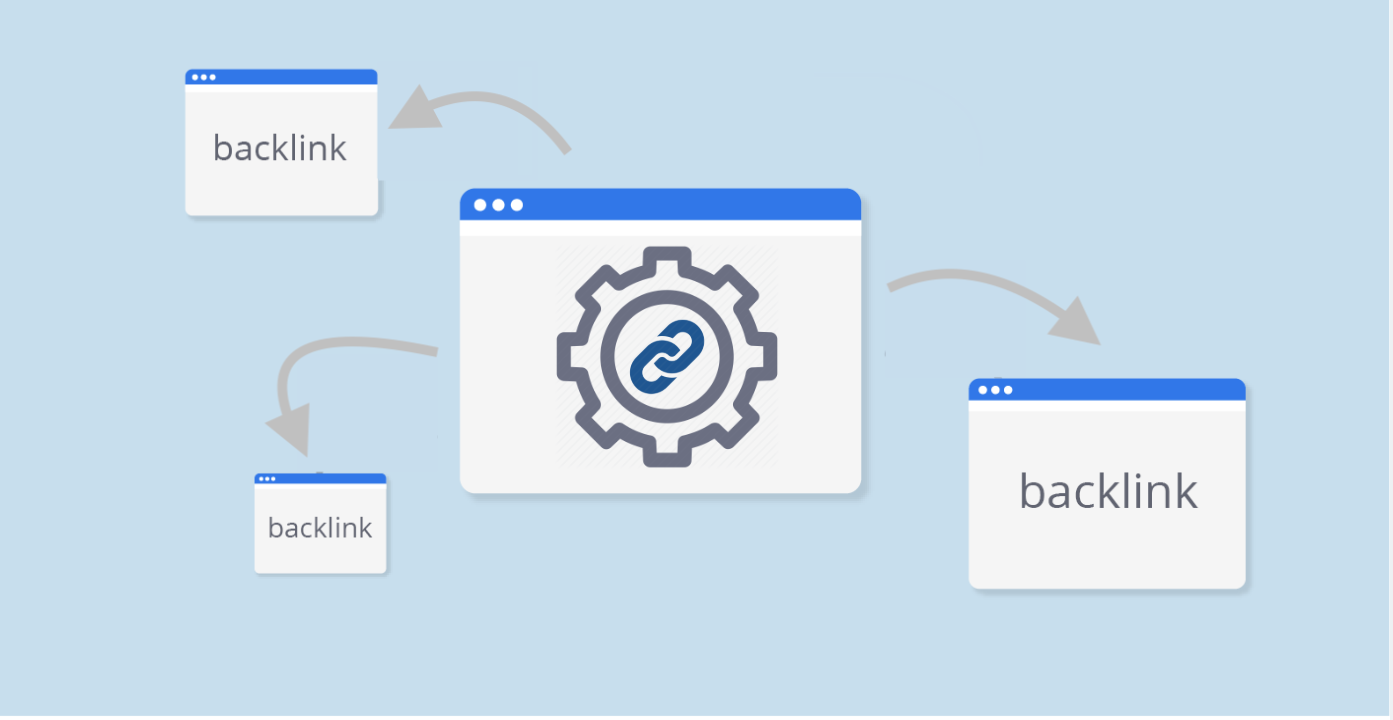
Why You Should Avoid Backlink Generators
Backlink generators look appealing on the surface. They promise hundreds of links in a short time with almost no effort. For someone trying to improve rankings quickly, that offer can feel hard to ignore.
The problem is that most of these tools create low-quality links that do little for SEO and can put your website at risk. Search engines have spent years getting better at spotting unnatural link patterns. When your profile fills up with spammy placements, the results are rarely the ones you hoped for.
This article explains what backlink generators actually do, why they are a poor choice, and what safer options look like if you want high quality backlinks that support long-term growth.
What Backlink Generators Usually Do
Most backlink generators work by submitting your URL to large lists of directories, bookmark sites, article spinners, or automated networks. Some also create fake blog comments, profile links, or scraped content pages that point back to your site.
The volume can look impressive in a report. You might see dozens or even hundreds of new links within days. What those reports often hide is the quality of the sites involved. Many of them have little real traffic, thin content, or a history of spam.
Search engines do not treat every link as equal. A placement on a weak or manipulative site carries far less value than a link from a relevant, trusted page. In some cases, a wave of low-quality links can signal that a site is trying to manipulate rankings.
Why These Links Rarely Help Rankings
High quality backlinks tend to share a few traits. They come from real websites, sit inside useful content, and relate to your topic. Generator links often fail on all three points.
Many of the sites used by these tools exist mainly to host outbound links. They are not built for readers. When search engines evaluate your backlink profile, links from those sources add noise instead of authority.
There is also the issue of pattern detection. If hundreds of links appear in a short window from similar types of sites, the profile can look unnatural. That is the opposite of how genuine high quality backlinks usually develop over time.
The Risk of Penalties and Filters
Search engines have publicly warned against schemes designed to manipulate rankings through links. Automated systems that mass-produce backlinks fall into that category.
Even when a formal penalty is not applied, the links may simply be ignored. That means you spent money or time on placements that never help your rankings. In worse cases, a sudden spike of spammy links can make recovery harder and force you to spend effort cleaning up the profile later.
Avoiding backlink generators is less about fear and more about protecting the work you put into your site. High quality backlinks are harder to earn, but they are also much less likely to create long-term problems.
Common Claims That Sound Better Than They Are
Generators often market themselves with phrases like “instant authority,” “thousands of backlinks,” or “Google-safe links.” These claims are easy to make and hard to verify.
Real authority is not created by volume alone. A smaller number of high quality backlinks from relevant sites usually carries more weight than a large pile of weak ones. “Google-safe” is also a vague label. No serious SEO approach should rely on a tool’s marketing language as proof that a method is safe.
If a service promises fast, unlimited, or fully automated link building with no effort on your side, treat that as a warning sign rather than a benefit.
Safer Alternatives to Generators
If you want high quality backlinks, slower and more deliberate methods tend to work better. These approaches focus on relevance, real websites, and natural placement.
Outreach to relevant sites
Contacting site owners or editors in your niche and requesting a link when it makes sense remains one of the most reliable methods. The process takes time, but the links are more likely to come from pages that actually relate to your content.
Useful content that attracts links
Guides, original data, tools, and clear explainers give other sites a reason to reference your pages. This does not replace outreach completely, but it makes outreach easier and creates opportunities for natural mentions.
Digital PR and media coverage
When your brand or research is covered by publications, the resulting links can be strong. This works best when you have something newsworthy or genuinely useful to share.
Guest content on trusted sites
Writing for established blogs in your space can earn a contextual link while also putting your name in front of a relevant audience. One solid placement is often worth more than many automated ones.
For a full walkthrough of these methods, see our easy guide to build high quality backlinks for your website.
How to Spot a Risky Link Building Offer
Before using any service or tool, ask a few basic questions:
- Where will the links actually appear?
- Are the sites relevant to your niche?
- Can you see examples of previous placements?
- Does the process rely on automation and mass submission?
- Is the main selling point speed and volume rather than quality?
If the answers are vague or focused only on numbers, the offer is more likely to produce low-quality links than high quality backlinks.
What a Healthier Backlink Profile Looks Like
A strong profile usually grows gradually. Links come from different types of sites, use varied anchor text, and sit inside content that makes sense for readers. There is no sudden flood of identical placements from obscure domains.
High quality backlinks also tend to bring some referral traffic or at least come from pages that real people visit. Pure link farms rarely do that.
When you review your own profile, look for relevance and diversity rather than raw count. A cleaner profile is easier to build on and less likely to cause issues later.
What to Do If You Already Used a Generator
If you have already run a backlink generator, the next step is assessment rather than panic. Check where the links point from and whether those sites look legitimate. In many cases the links are simply low value and get little attention from search engines.
If a large number of clearly spammy links exist, you may need a more careful cleanup plan. That can include removing what you can control and, in some situations, using disavow tools. This is best handled carefully and only when the problem is significant.
Going forward, shift effort toward methods that produce high quality backlinks instead of adding more noise.
Final Thoughts
Backlink generators sell speed. What they usually deliver is volume without value. Search engines care more about where links come from and why they exist than how many appear in a report.
Avoiding these tools protects your site and keeps your SEO strategy focused on methods that still work. Outreach, useful content, digital PR, and careful guest placements take more effort, but they create high quality backlinks that support rankings without the same level of risk.
If your goal is steady growth, skip the generators and invest in links that look natural because they are.